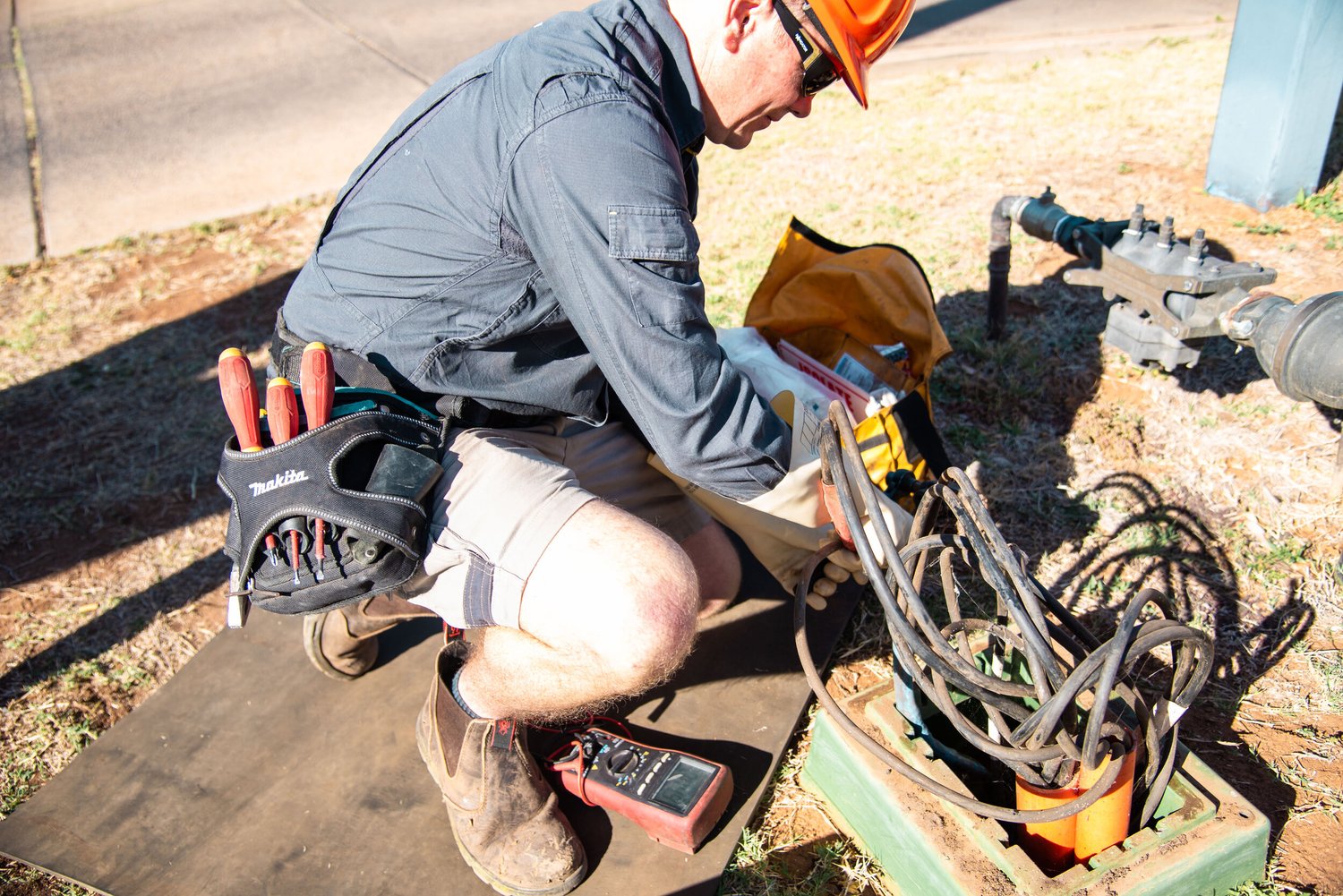
INSURANCE-RELATED ELECTRICAL WORK
Electrical damage. Clear next steps.
Property damage can leave you unsure about electrical safety, repair costs and the next step in an insurance claim. An electrical contractor can help establish what needs attention and what work may be required.
Speak with Red Earth Electrical about the electrical or solar work needed at your home, business or rural property. Tell us about the incident and any instructions from your insurer so the scope and availability of assistance can be discussed.
Explore our other services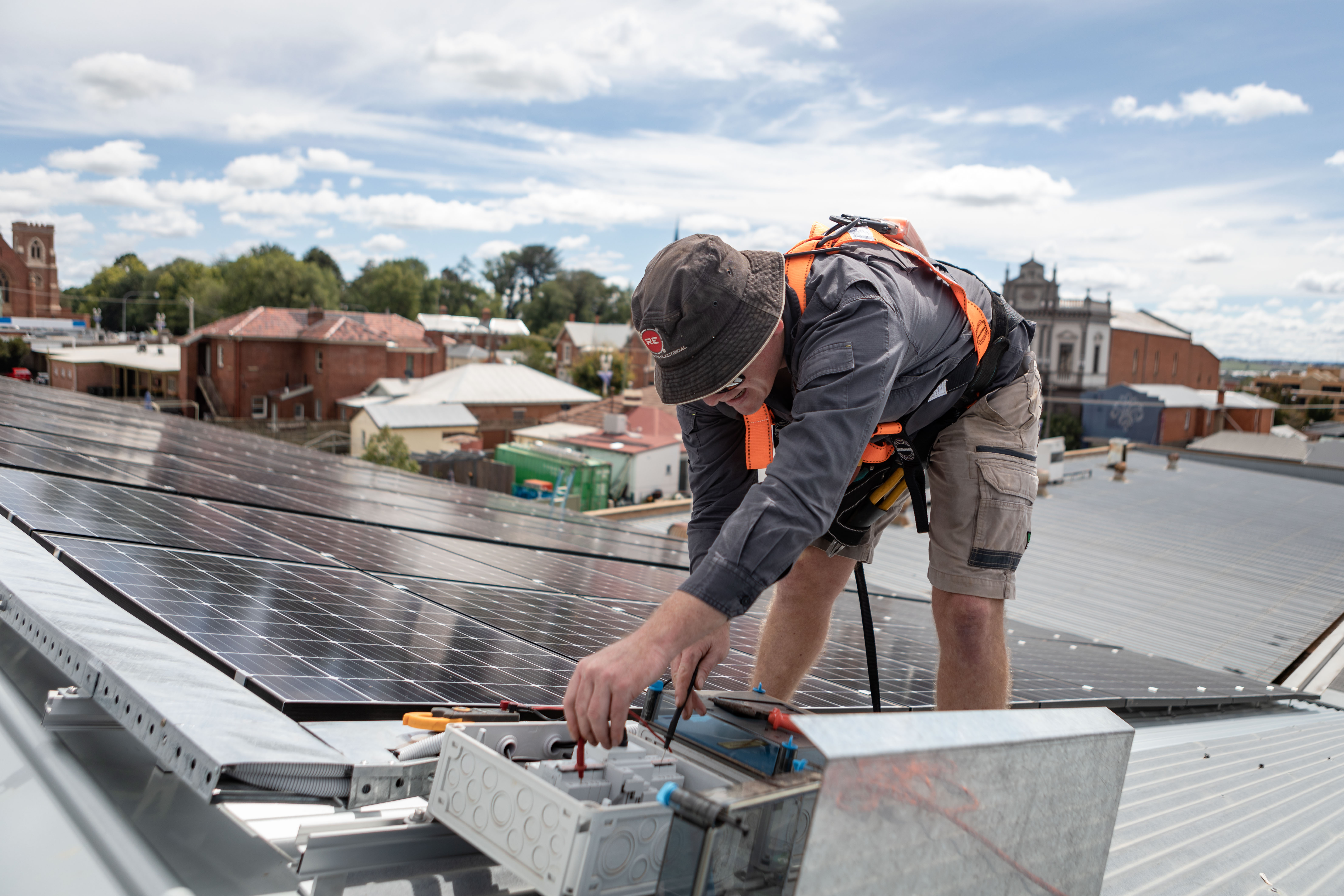
Safety comes first
Keep clear of damaged wiring and fallen powerlines. Do not use water-affected electrical equipment or assume a storm- or flood-affected solar system is safe. Have affected electrical installations and equipment checked by a licensed electrician before reuse. If there is immediate danger, call 000.
How electrical contractors can assist
Storms, lightning, power surges, fire, water damage and accidental impact can affect electrical installations. Depending on the incident and agreed scope, insurance-related electrical work may include:
Electrical inspections
A licensed electrician can inspect affected circuits and equipment, identify electrical hazards and determine whether isolation, testing or further investigation is needed.
Damage documentation
Inspection findings, photographs and an itemised repair quotation can help describe the electrical work required. Ask your insurer what evidence it needs before booking an assessment.
Repair and replacement
Depending on the damage and agreed scope, work may involve wiring, switchboards, power outlets, lighting or solar components. The repair scope and payment arrangements should be clear before work proceeds.
Testing after repairs
Repairs may require electrical testing and relevant safety or compliance documentation. Reconnection arrangements depend on the installation, the damage and the electricity network’s requirements.
From incident to an agreed repair
-
Contact your insurer
Report the incident and ask about the claims process, required reports, approved repair arrangements and who will pay inspection or assessment fees. Arrange urgent help for electrical hazards without putting yourself at risk.
-
Agree on the assessment
Before booking, confirm the property location, access, affected equipment and the inspection or report your insurer needs. Let the electrician know about any known electrical or structural hazards.
-
Confirm the repair scope
For non-urgent claim repairs, obtain your insurer’s approval before authorising work. Confirm the quotation, agreed scope, payment responsibility and any required approvals with the relevant parties.
-
Keep the records
Retain the electrical report, photographs already taken safely, repair quotation, invoices and any completion documentation. Your insurer will tell you what to provide for its assessment.
Who decides whether the work is covered?
Your insurer assesses the claim against your policy and decides whether to approve payment. The electrician’s role is to assess and carry out the agreed electrical work. A report or quotation does not guarantee insurance cover or claim acceptance. Direct questions about your cover, excess or claim decision to your insurer or broker.
What if you are not insured?
You can still ask about an electrical inspection and repair quotation. Explain the damage and your priorities, then agree on fees, access and the scope of work before proceeding. Do not continue using damaged equipment while waiting to decide on repairs.
What to have ready
- Property address, your name and contact details.
- A brief description of what happened and when the damage occurred.
- The electrical equipment or areas affected, including any solar installation.
- Your insurer’s name, claim number and contact person, if available.
- Any assessment instructions or repair scope supplied by your insurer.
Only share photographs you can obtain safely. Do not enter an unsafe area or approach electrical hazards to collect evidence.